
When Sleep Is the Kindest Option
For some children, the gentlest path through dental treatment is to be fully asleep. General anesthesia allows a child to rest comfortably while their dental care is completed, without fear, movement, or memory of the procedure itself.
It is an option we consider carefully and suggest only when it truly serves the child. Typical situations include very young children who need treatment they cannot yet cooperate for, children with high anxiety, children with special needs, and children facing extensive treatment that would be a lot to handle awake. When general anesthesia makes sense, we will explain why and walk you through every detail.
Parents naturally have questions about anesthesia, and we welcome every one of them. Before anything is scheduled, you will understand how it works, how your child is monitored, and what the day will look like. Families in Reunion deserve straight answers, and that is what we give.
- Your child rests fully asleep during treatment
- Considered when other options are not the right fit
- Helpful for young, anxious, or special needs children
- Careful review of health history beforehand
- Clear guidance for before and after the visit

Who May Be Considered for General Anesthesia?
General anesthesia is considered when a child cannot safely or realistically complete needed dental care while awake. Age, anxiety, special healthcare needs, the amount of treatment, previous dental experiences, and the child's ability to cooperate all matter. It is not the first choice for every child, and a consultation is necessary before a recommendation can be made.
Safety planning starts with a careful review of health history, medications, allergies, previous anesthesia experiences, and the proposed dental treatment. Follow the eating, drinking, medication, and arrival instructions exactly as provided. If your child is sick or something changes before the appointment, call the office so the team can guide you.
General anesthesia is different from laughing gas. Nitrous oxide keeps a child awake and responsive, while general anesthesia means the child is fully asleep. Dr. Lawrence Musanje and the care team can explain which questions apply to your child's situation.
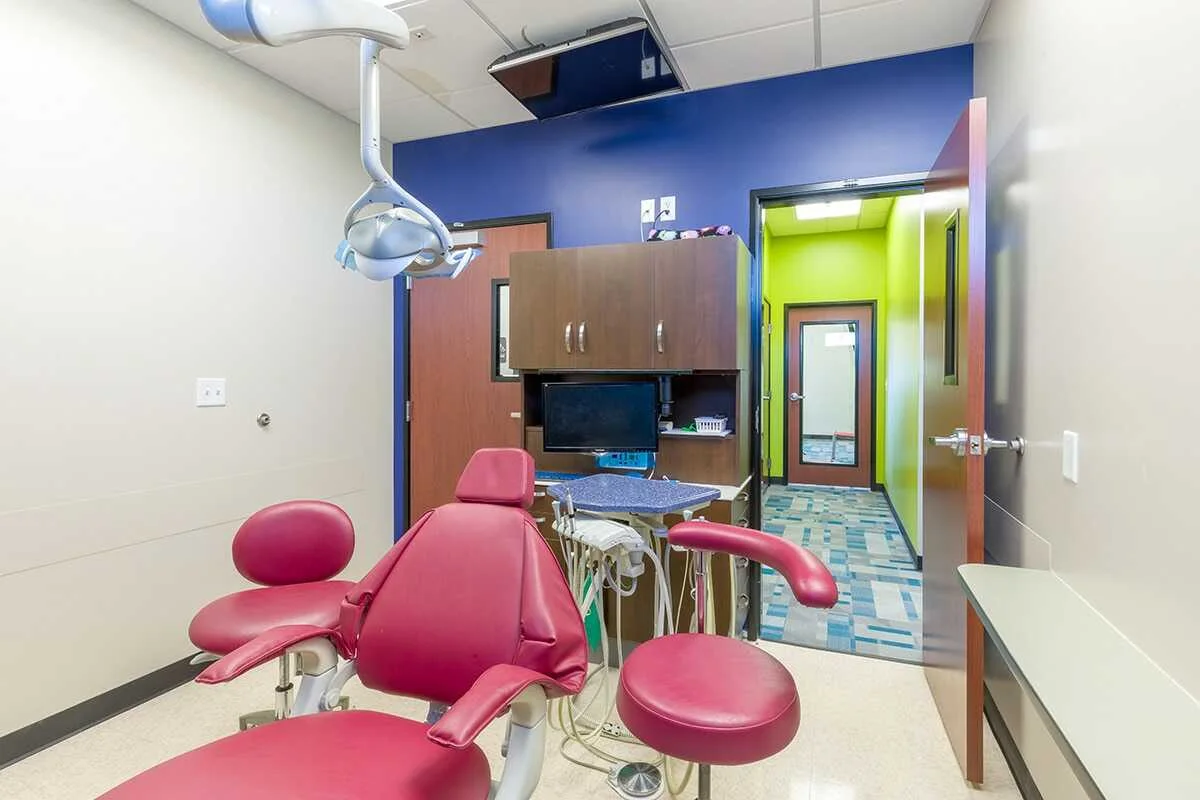
Preparing for a Child’s Anesthesia Visit
Preparation instructions are part of anesthesia safety. Follow the team's directions about food, liquids, medications, arrival time, and transportation. If your child develops an illness or health change before the visit, call rather than assuming the appointment should continue.
Plan for a quiet recovery period and an adult who can stay with your child as they wake and return home. Your child may be sleepy or have temporary effects after anesthesia, so follow the written instructions and ask what symptoms should prompt a call. The recovery plan is specific to the treatment and the child.
Ask why general anesthesia is being considered, what alternatives may fit, how preparation works, what recovery may look like, and who to call if your child has a concern. A clear conversation helps the family make an informed plan.

What to Expect
A thorough conversation
We review your child’s health history and explain exactly why anesthesia is being suggested and how it works.
Preparation instructions
You will receive clear directions about eating, drinking, and arrival time so the day goes smoothly.
Monitored care
Your child is closely monitored while asleep, and treatment is completed carefully and efficiently.
Recovery and follow-up
You stay close as your child wakes, head home with simple instructions, and reach us any time with questions.