A Quiet, Gentle Tool for Little Smiles
Dental lasers are precise tools that can be used for certain treatments, often with less noise and vibration than traditional instruments. For children who are bothered by sounds and sensations, that can make a real difference in how a visit feels.
A laser works by focusing light energy to treat small areas with care and precision. In some situations, it allows our Reunion team to complete treatment more gently than conventional approaches. It is not the right tool for everything, and we will always tell you honestly when it is and is not a good fit.
What matters most is your child's comfort. If your child is anxious about dental treatment, ask us whether laser dentistry could help with their specific needs. We will answer your questions in plain language so you can decide together.
- Quiet and precise
- Can feel gentler for some treatments
- Helpful option for sound-sensitive children
- Honest guidance about when it fits
When Laser Dentistry May Be Considered
Laser dentistry is not one universal treatment. It may be discussed for selected soft-tissue procedures or other care when the dentist believes the tool fits the clinical need. The same approach is not right for every child, and an exam comes before any recommendation.
Families can ask what the laser would do, why it is being considered, and what other options are available. Our Reunion team will explain the expected steps, comfort measures, aftercare, and any reason a conventional approach may be better. Clear choices matter more than using a particular device.
Cost and insurance factors depend on the procedure, the length of the visit, and the care recommended after the evaluation. We can review those details with you before treatment. Call if you have questions about laser treatment for a tongue-tie, lip-tie, or another pediatric dental concern.

A Care Plan Built Around the Child
The word laser can sound like a promise of a different kind of dentistry, but the important question is whether it helps with the specific care your child needs. The dentist examines the area, explains the goal, and compares laser treatment with other appropriate approaches.
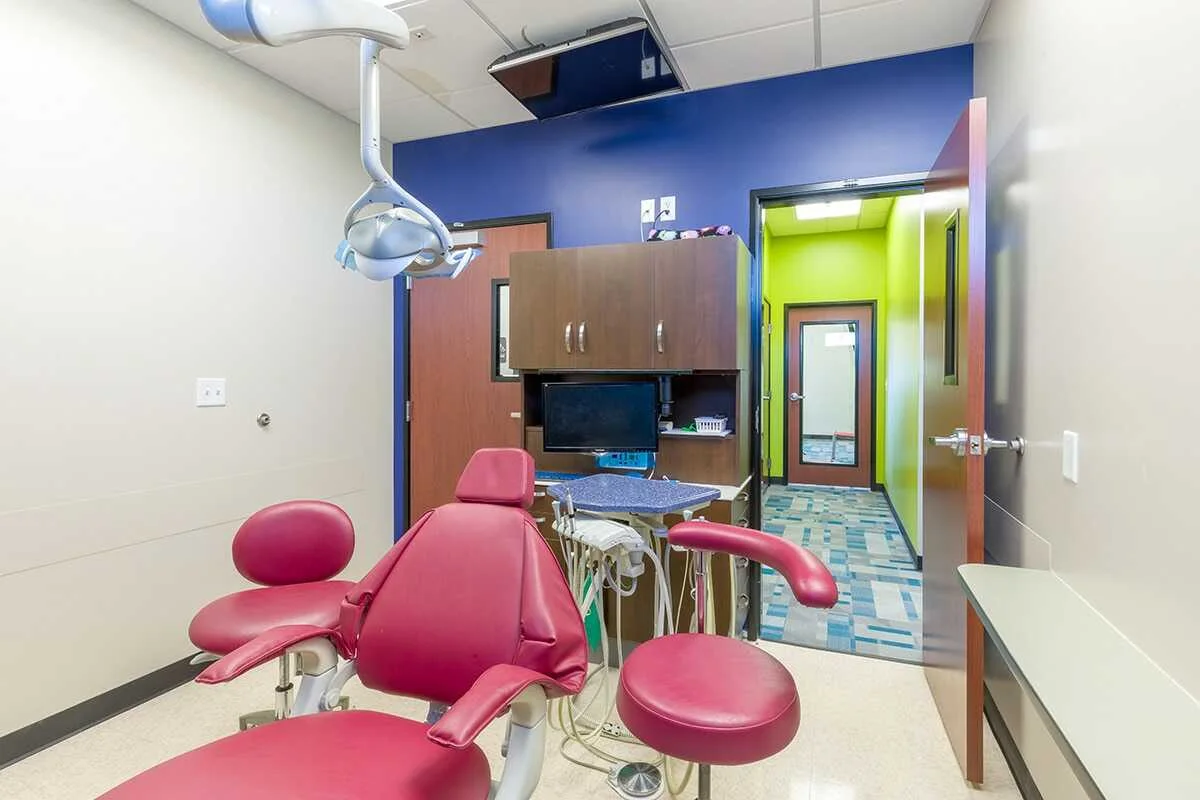
A laser may be part of care, but the visit still starts with the child's needs. We explain the room, the sounds, the reason for treatment, and the choices available. A parent can share communication or sensory information before the appointment.
After the evaluation, the team gives you clear next steps and aftercare guidance. If the laser is not appropriate, another supported approach can be discussed. The goal is safe, understandable pediatric dental care, not a particular device.

What a Laser Visit Looks Like
Talk it through
We explain what the laser does and why we suggest it for your child’s treatment.
Comfortable treatment
Your child relaxes while the laser works quietly and precisely on the small area that needs care.
Clear aftercare
You head home with simple instructions and a team you can call with any follow-up questions.