
Tooth-Colored Repairs for Small Cavities
Finding out your child has a cavity can feel discouraging, but it is one of the most common dental issues in childhood, and it is very fixable. At Bright Star Kids Dentistry in Reunion, we restore decayed teeth with white dental fillings made from a tooth-colored composite resin, so the finished repair matches the tooth around it.
Composite fillings bond directly to the tooth, which lets us keep the repair small and preserve more healthy tooth structure. They work well for both baby teeth and newly erupted adult teeth, and they are a good fit for children who may feel self-conscious about noticeable dental work. If a cavity is too large for a filling alone, we will explain the alternatives, such as a baby tooth crown, so you can make an informed choice for your child.
- Tooth-colored composite that blends with natural enamel
- Bonds to the tooth so repairs stay small
- Suitable for baby teeth and adult teeth
- Comfort-focused visits at your child’s pace

When a Filling Is the Right Starting Point
A white dental filling is often appropriate when decay is limited enough to remove without sacrificing the rest of the tooth. The dentist considers the size and location of the cavity, how much healthy structure remains, the child's age, and whether the tooth is a baby tooth or a developing adult tooth.
A filling repairs the current cavity, but it does not prevent new decay around the tooth. We review brushing, flossing, snack timing, fluoride, and sealants when they fit your child's needs. If a cavity is too large for a composite filling, a crown or another treatment may be safer. We will show you what we find rather than promise the same treatment for every cavity.
After a filling, the mouth can remain numb for a short time. Watch so your child does not bite a cheek, lip, or tongue, and call if the bite feels high or sensitivity does not improve. The team can also discuss cost and insurance factors for the recommended treatment before care begins.
Keeping a Filled Tooth Healthy
A white filling repairs the part of the tooth affected by decay, but the tooth still needs daily protection. Brush twice a day with fluoride toothpaste, floss where teeth touch, and keep regular cleanings and exams so the team can check the restoration and the surrounding teeth.
If your child has frequent cavities, we can talk about the pattern behind them. Snack timing, sweet drinks, brushing support, fluoride, sealants, enamel development, and the number of teeth involved may all matter. The goal is to treat the current cavity and reduce the chance of another one.
Call if the filling feels rough, the bite seems high, sensitivity lingers, or your child develops new pain or swelling. An early check helps us decide whether the filling needs an adjustment or whether another tooth needs attention.

How We Place a White Filling
Get comfortable first
We show your child what we will do, then numb the tooth with a gentle approach so the appointment stays relaxed. Sedation options are available for anxious kids.
Remove the decay
The dentist carefully removes the decayed part of the tooth and shapes the space for the filling, checking in with your child along the way.
Place and shape the filling
We layer the tooth-colored composite into the tooth, harden it with a curing light, and shape it so your child’s bite feels natural.
Polish and review
A final polish smooths the repair. Before you leave, we share simple aftercare tips and answer any questions about the filling or preventing new cavities.
Why White Fillings for Your Child
A natural look
The composite is shade matched to your child’s tooth, so the filling is hard to spot when they smile, laugh, or talk.
Preserves healthy tooth
Because composite bonds to the tooth, we can often keep the filling smaller and leave more of your child’s healthy enamel in place.
Gentle, unhurried visits
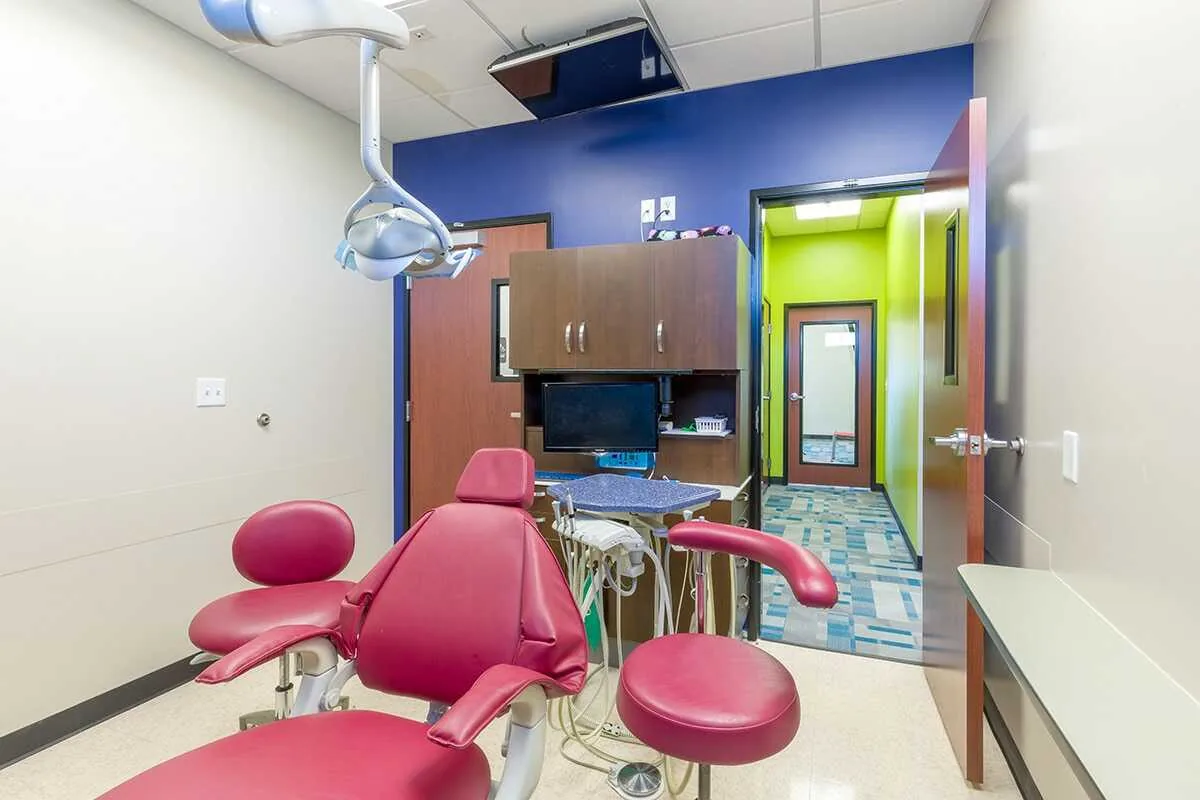
We take treatment at your child’s pace, and you are welcome in the treatment room when your presence helps them feel at ease.
Prevention for next time
Fillings fix today’s cavity. We also review diet, brushing, sealants, and fluoride so we can work together to prevent the next one.